
THE FLOORING JOURNAL · JACKSONVILLE & NORTHEAST FLORIDA
By Nunes 4 Flooring · Reviewed October 26, 2026
Rigid-core luxury vinyl plank can deliver a realistic wood look, but the construction beneath the surface affects how a floor feels, handles furniture loads, and responds to its installation conditions.
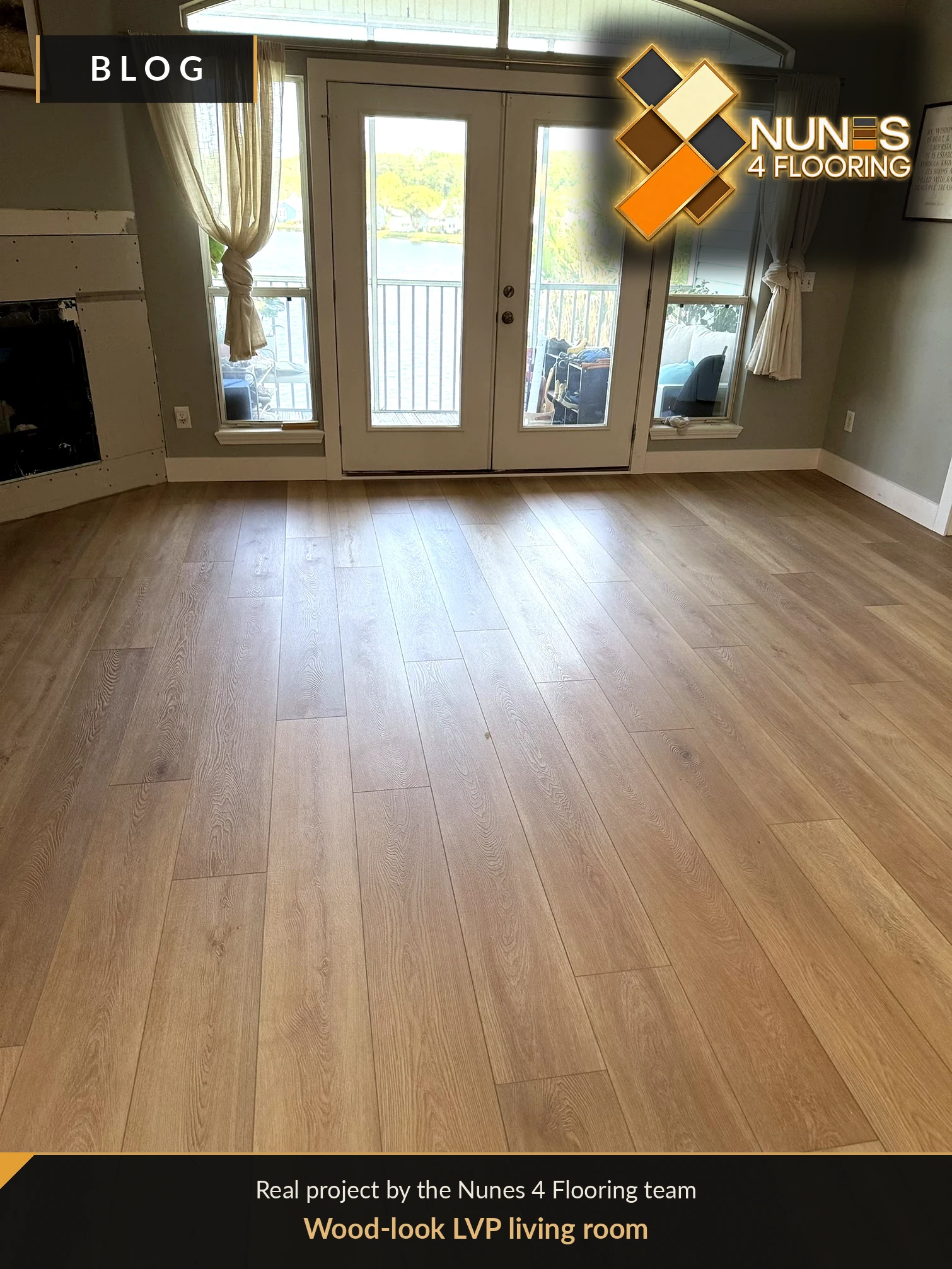
Two floors can have the same beautiful oak look—and feel completely different once installed. Choosing between SPC and WPC means matching the core, wear surface and installation system to your home, not simply choosing a label on the box.
Is SPC or WPC better for Florida homes?
SPC and WPC are two types of rigid-core luxury vinyl flooring. SPC generally has a denser, firmer core that offers greater indentation resistance and dimensional stability; WPC uses an expanded polymer core that can feel more comfortable and sound softer underfoot. Neither is automatically the best choice for every Jacksonville home. The exact product, its wear surface, the underlayment, the subfloor, and the manufacturer’s installation instructions matter as much as the category name. The Resilient Floor Covering Institute (RFCI) explains these construction differences in its rigid-core flooring guide.
Jacksonville, Ponte Vedra, St. Johns, and St. Augustine homeowners often compare plank color and thickness first. That is understandable: a floor has to fit the room visually. Yet two oak-look planks can have similar finishes and very different cores. This guide focuses on the questions worth answering before you order material or schedule installation.
1. What do SPC and WPC actually mean?
SPC stands for solid polymer core in the RFCI’s technical terminology. This core is relatively dense and rigid. WPC refers to expanded polymer core in that same industry classification. It has a more cushioned construction and is frequently associated with residential comfort. Retailers sometimes use different expanded names for these acronyms, so a product’s published specifications are a better source than its marketing nickname.
Both products are commonly sold as luxury vinyl plank with a decorative visual layer and a protective wear surface. Many versions have an attached pad and click-lock edges for floating installation, but not every SKU is assembled or installed the same way.
| Question | SPC rigid core | WPC rigid core |
|---|---|---|
| Core construction | Denser, solid polymer core | Lighter, expanded polymer core |
| Underfoot feel | Usually firmer | Often more cushioned |
| Indentation resistance | Often stronger | May be less resistant to point loads |
| Acoustics | Depends on pad and full floor assembly | Often offers a softer acoustic feel |
| Visual options | Realistic wood and stone looks | Realistic wood and stone looks |
| Moisture | Water-resistant core; check system limits | Water-resistant core; check system limits |
| Subfloor preparation | Still required | Still required |
| Best choice | Depends on use and product | Depends on use and product |
These are general category tendencies, not a performance rating for two specific brands. RFCI says both types come in different wear layers and product grades. Always compare technical sheets side by side, not simply an SPC sticker against a WPC sticker.
2. Which performs better in a Florida home?
Busy living rooms and heavy furniture
A denser SPC core may be attractive in a busy living room or area where indentation resistance matters. That does not mean an SPC floor is scratch-proof, dent-proof, or immune to damage from furniture legs. The product’s finish, wear-layer design, furniture protection, and warranty restrictions still apply.
Bedrooms and upstairs spaces
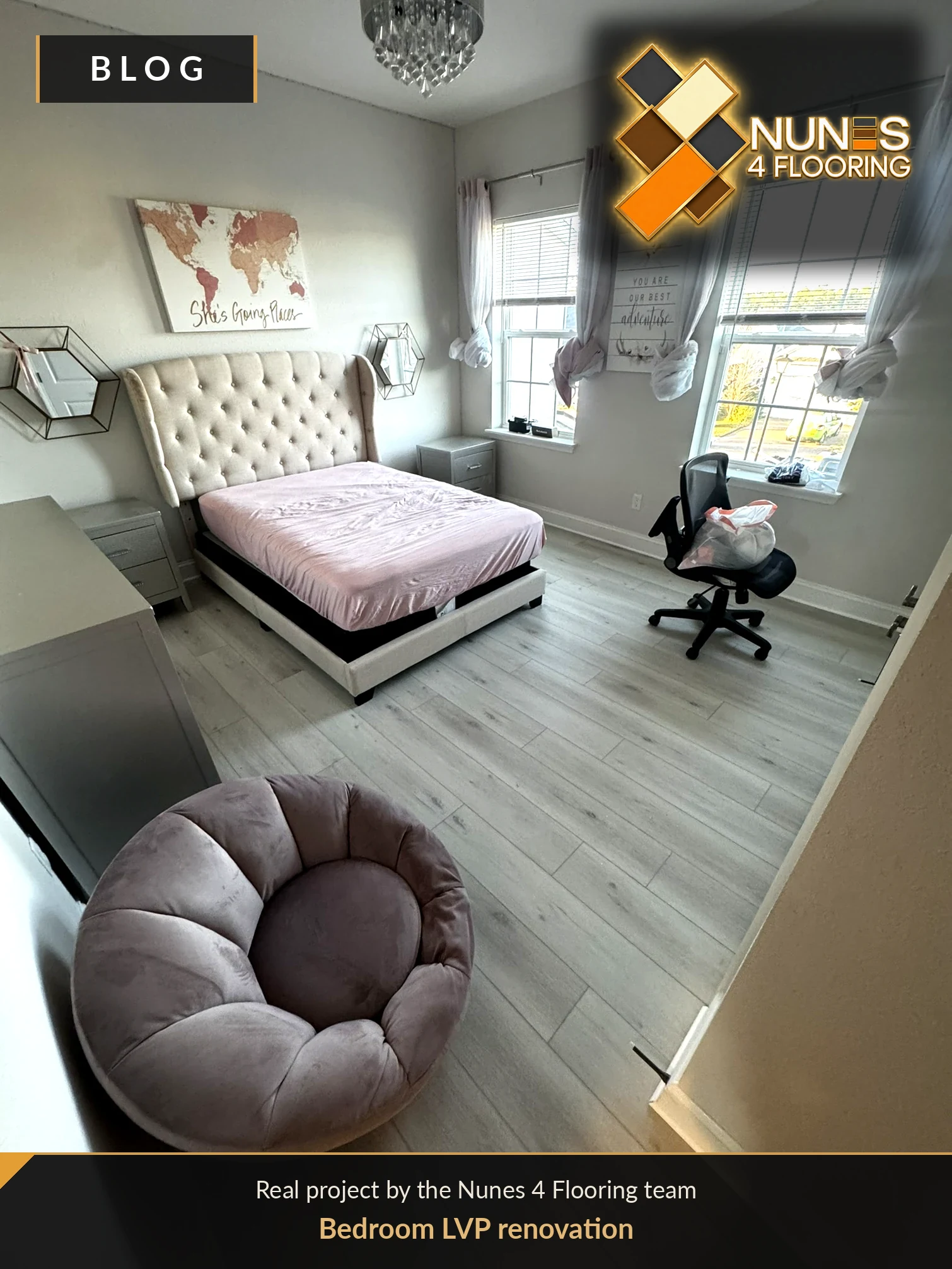
A WPC floor can be worth considering in a bedroom or second-floor hallway when a slightly more cushioned feel matters. But claims about sound reduction should be checked against the specific flooring and underlayment assembly. If your condo or homeowners association requires a tested acoustic rating, request the applicable documentation instead of assuming any WPC product satisfies the rule.
Kitchens and connected rooms
Either category may be appropriate for kitchens if the selected manufacturer approves it for that application. The floor plan can matter more than the core: kitchen islands, fixed cabinetry, adjoining rooms, long runs, and transitions can affect installation requirements. For floating products, never assume it is acceptable to pin planks beneath fixed cabinets or heavy built-ins. Follow the chosen system’s instructions.
Practical rule: Select the floor for the room and the manufacturer’s approved assembly. Do not select a rigid-core category first and assume it will work around every site condition.
3. Florida concrete slabs: the issue neither core makes disappear
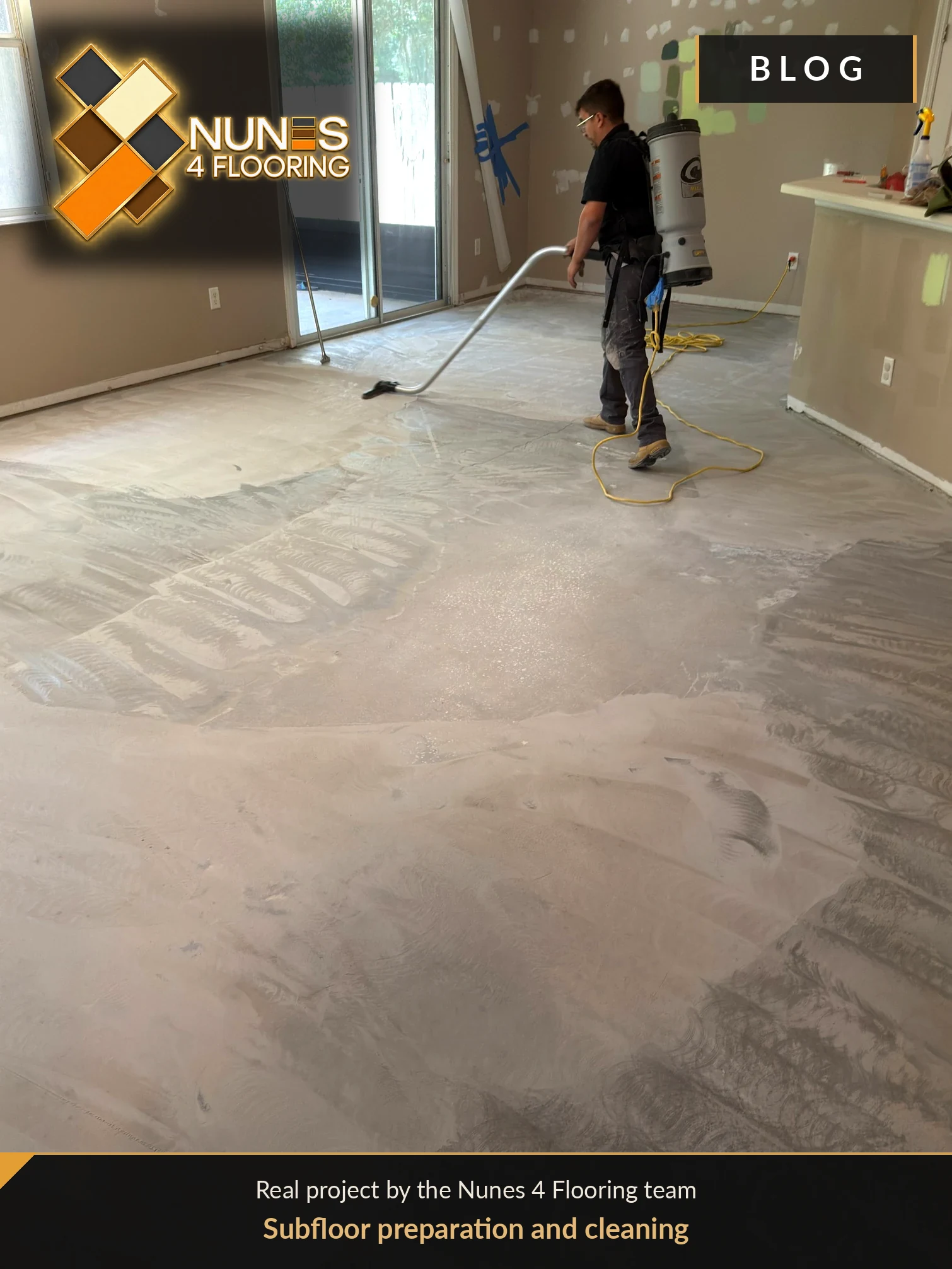
A water-resistant plank does not make the concrete underneath it dry. Moisture can exist in a slab or enter an installation through an unsealed perimeter, flood, appliance leak, or other pathway. Water trapped below a surface can create problems even if the plank itself remains dimensionally intact.
Before installation, ask the following questions:
- Does the exact product require or restrict particular concrete moisture tests?
- Are vapor retarders, additional pads, or moisture-control products permitted or required?
- Is the slab sufficiently flat across the spans specified by the manufacturer?
- Are there high spots, low spots, cracks, residue, or grout joints to address?
- If old tile remains, is it securely bonded and an approved substrate for this flooring?
The RFCI notes that rigid-core products may tolerate minor variations in some circumstances, but emphasizes that manufacturer requirements for flatness, expansion, moisture, and underlayment still control the installation. A thicker plank is not a substitute for correcting an unsuitable substrate.
If a quote includes a generic moisture barrier or underlayment without identifying the flooring system, request clarification. One product’s approved installation details should never be assumed to apply to every SPC or WPC floor.
For the preparation process, see our existing guide to subfloor preparation before LVP or laminate and our article on installing LVP over existing tile.
4. What about direct sunlight and Florida heat?
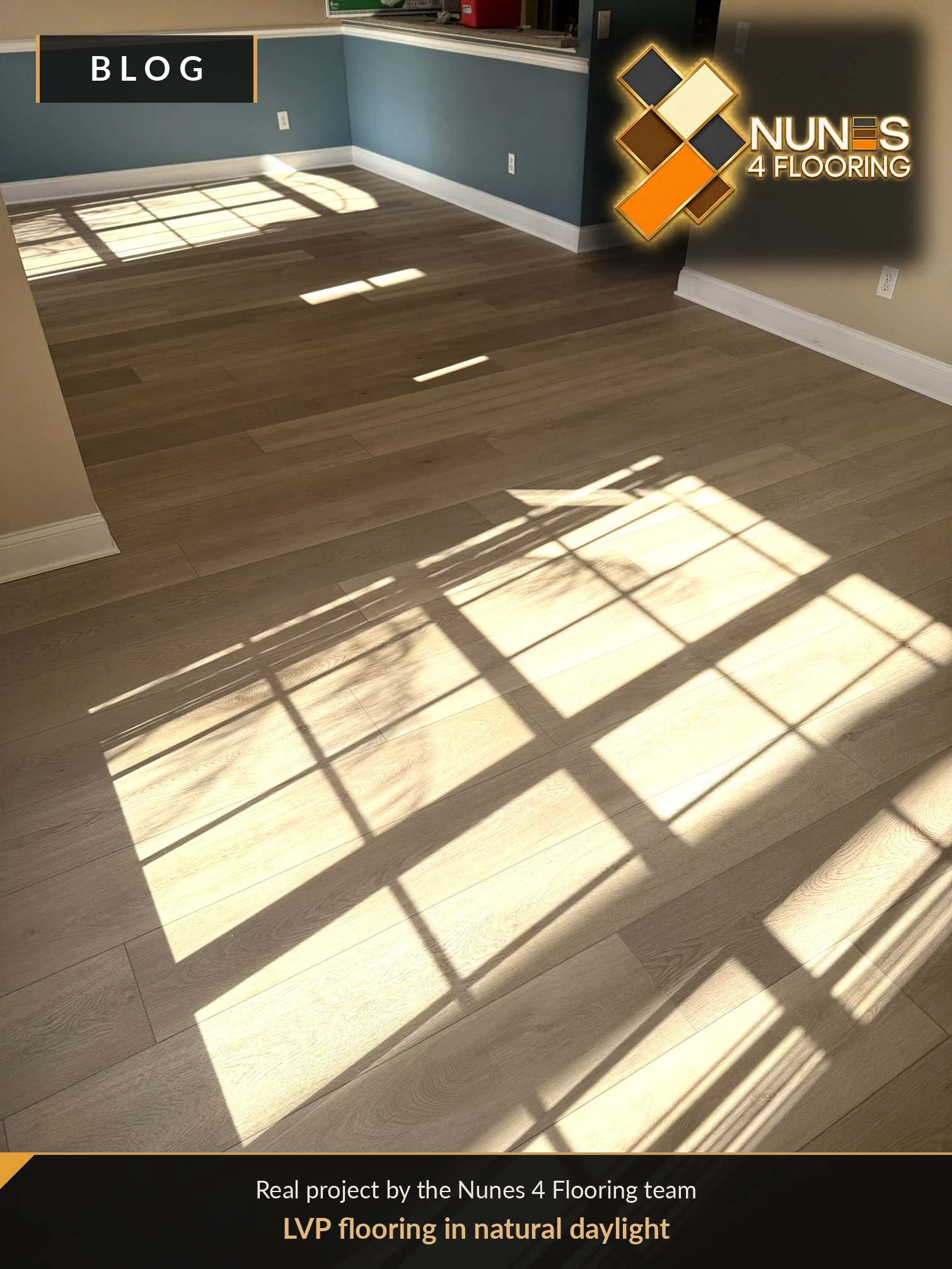
A common buying mistake is assuming that a rigid core automatically makes a plank suitable for an enclosed patio, an unconditioned room, or any window exposure. Temperature and sunlight limits are product-specific.
For example, Shaw’s installation guidelines for certain WPC products discuss acceptable climate-controlled installation conditions and caution about prolonged direct sunlight, heat-related expansion, and UV fading. These instructions are for the products covered by that document, not a universal rule for all vinyl flooring. These are model-specific restrictions; another product may specify different limits.
In a room with large south- or west-facing windows, ask for the exact product’s temperature range, sunlight provisions, expansion spacing, and requirements for window coverings. If the room is unconditioned, say so before selecting the material.
5. Thickness, wear layer, and certifications: read the box carefully
RFCI’s ASSURE Certified program added an edge-strength test, ASTM F3781, with a minimum 17 lbf requirement. That checks a specific edge characteristic—not a promise that any rigid-core floor is impact-proof.
Read RFCI’s certification criteriaFlooring thickness and wear-layer thickness are not the same specification. Total plank thickness is commonly described in millimeters (mm). The wear layer is frequently described in mils, where one mil equals one-thousandth of an inch. A 7 mm plank and a 20 mil wear layer describe different parts of a flooring product; neither number, by itself, guarantees overall performance.
The current ASTM F3261-26 specification addresses physical and performance characteristics of resilient flooring with a rigid polymeric core. ASTM compliance is one piece of a product evaluation, not a claim that every compliant floor is right for every kitchen, bedroom, or slab.
For a useful additional check, RFCI’s ASSURE Certified program covers certain SPC and WPC products using third-party testing for product performance and specified materials and indoor-air criteria. In 2026, the program added an edge-strength test requirement. Look for verification of the specific product you plan to purchase; do not assume an entire brand or product category has the same certification.
Buying checklist
- Get the full product name, SKU, core type, and installation guide.
- Compare total thickness and wear-layer specifications separately.
- Check wear, indentation, water-exposure, and sunlight limitations in the actual warranty.
- Confirm allowable underlayment and moisture-control products for the substrate.
- Review where transitions and expansion provisions are required.
- Confirm the scope of leveling, grinding, demolition, and disposal in the written estimate.
6. Should you choose SPC or WPC for your project?
| Your priority | A sensible starting point | What to confirm |
|---|---|---|
| Firmer surface and indentation resistance | Compare quality SPC models | Product-specific wear and indentation data |
| Softer feel in a bedroom | Compare quality WPC models | Acoustic assembly and approved subfloor |
| Whole-home visual continuity | Either, if approved for each room | Plank layout, heights, thresholds, and transitions |
| Florida concrete slab | Either, subject to testing | Moisture and flatness limits for that SKU |
| Large windows or an unconditioned space | Do not assume either | Explicit temperature and sun-exposure approvals |
| Household concerned about emissions | Look at independently verified products | Certification tied to the selected SKU |
For a broader discussion of material families, read LVP vs. hardwood for Florida’s climate. For installation scope and material choices, see luxury vinyl plank installation in Jacksonville.
7. What should be included in an LVP installation estimate?
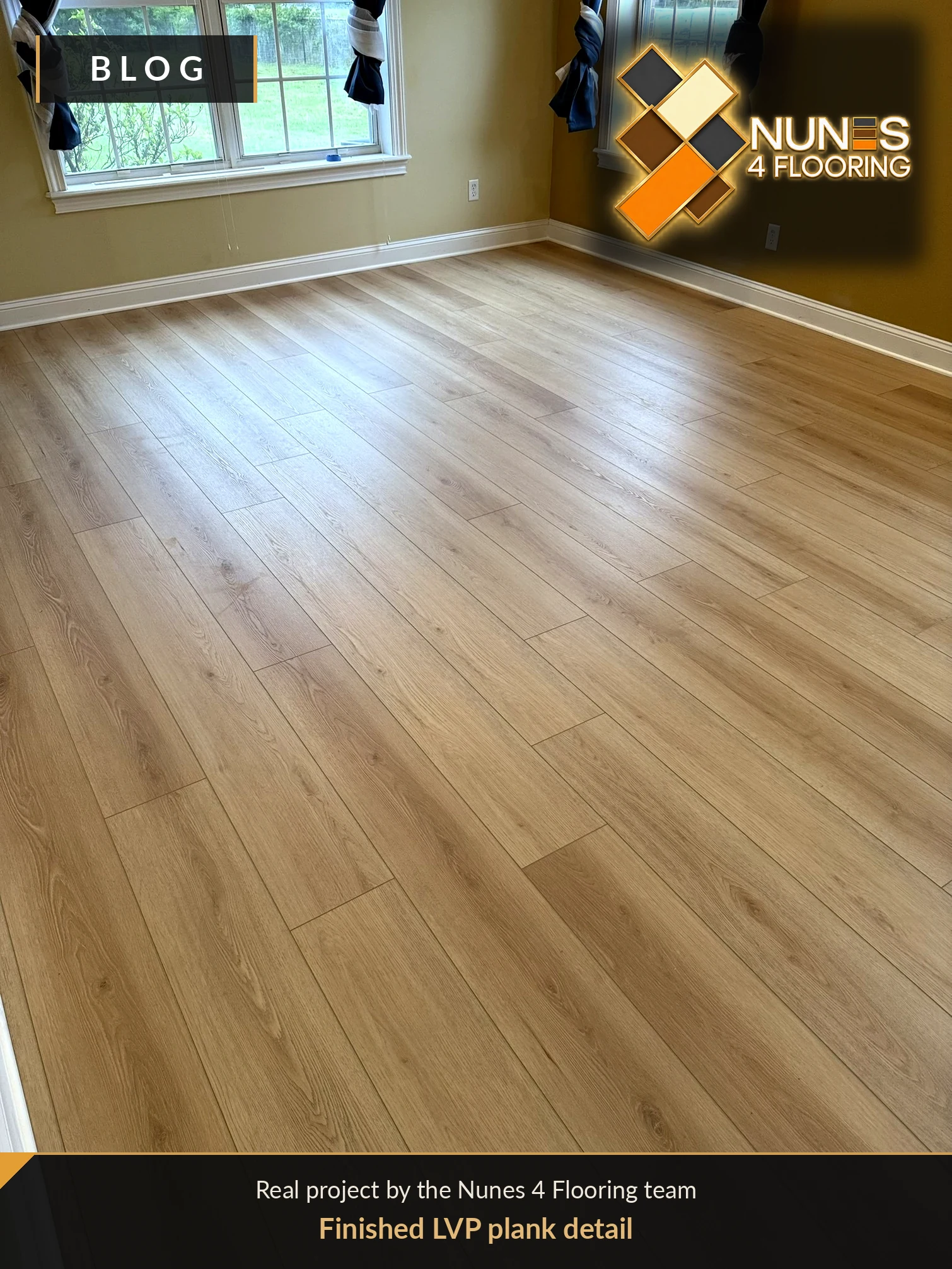
An accurate estimate should separate material selection from installation conditions. Depending on the home, it may need to address demolition, furniture protection, surface preparation, moisture-related procedures, plank layout, trim and baseboards, transitions, stair details, cleanup, and any manufacturer-specific installation requirements.
It is reasonable to ask whether two estimates specify the same floor and the same preparation. A lower number that omits substrate work is not a like-for-like comparison with a complete scope. Likewise, an installer should not automatically recommend extensive leveling without inspecting the actual floor.
For more about the factors that influence budget, visit our Jacksonville vinyl plank flooring cost guide.
Frequently asked questions
Is SPC more waterproof than WPC?
Not automatically. Both are rigid-core categories with water-resistant core constructions, but a water-resistant plank does not make the entire installation waterproof. Compare the exact product’s water-exposure limitations and the installation system.
Is WPC always quieter than SPC?
WPC commonly has a more cushioned underfoot character, but acoustic performance depends on the product, attached pad, subfloor, and overall construction. If sound ratings matter, request tested assembly data.
Can SPC flooring be installed directly over existing tile?
Sometimes. The existing tile must be secure and meet the selected manufacturer’s substrate, flatness, and height requirements. Grout joints or uneven sections may require preparation.
Will a thicker rigid-core plank hide low spots in my slab?
No. Every product has flatness and substrate requirements. Unsupported areas can still affect joint performance and how the floor feels.
Is SPC or WPC better for pets?
Look at the actual product’s scratch and indentation resistance, finish texture, cleaning guidance, and warranty. Neither acronym alone tells you how the surface will handle a household’s daily use.
Which is better for Jacksonville, Ponte Vedra, or St. Augustine?
The right choice depends on the home’s slab or wood subfloor, room use, comfort preferences, moisture conditions, sunlight, and budget. Climate matters, but the property and product specifications determine the installation plan.
Compare the right LVP for your home
Nunes 4 Flooring installs flooring across Jacksonville and Northeast Florida, including Ponte Vedra, St. Johns, and St. Augustine. If you are comparing two rigid-core products, bring the product specifications and details about the rooms you plan to update. We can discuss the installation scope, the surface underneath the flooring, and finishing details that help the result feel intentional.
Technical references
- Resilient Floor Covering Institute: Rigid Core – construction differences between SPC and WPC and installation considerations.
- RFCI: ASSURE Certified – independent product-level certification, including 2026 program update.
- ASTM International: F3261-26 – current rigid polymeric core flooring specification, updated September 2026.
- Shaw: WPC Installation Guidelines – example of manufacturer-specific requirements, especially indoor climate and sunlight.
l